
Adaptive Scissors FAQ: 50 Answers About Spring-Loaded, One-Hand & Arthritis Scissors
Choosing the Right Adaptive Scissors for Easier Everyday Cutting
Finding the right pair of scissors can make everyday cutting easier, more comfortable, and less tiring. Whether you’re looking for spring-loaded scissors, self-opening scissors, one-hand scissors, or ergonomic scissors for arthritis and weak hands, choosing the right design can reduce hand strain while improving comfort, control, and independence.
Adaptive scissors are designed for people with arthritis, reduced grip strength, limited finger mobility, neurological conditions, temporary injuries, or anyone who simply wants easier household scissors for daily tasks. From opening food packaging and Amazon boxes to cutting fabric, paper, or medication blister packs, the right scissors can make everyday jobs safer and more enjoyable.
This FAQ answers the most common questions about adaptive scissors, spring-assisted scissors, one-hand cutting tools, and the Remedic range of ergonomic household scissors.
 https://www.amazon.com/dp/B0F9WT3C3Q
What Are Adaptive Scissors?
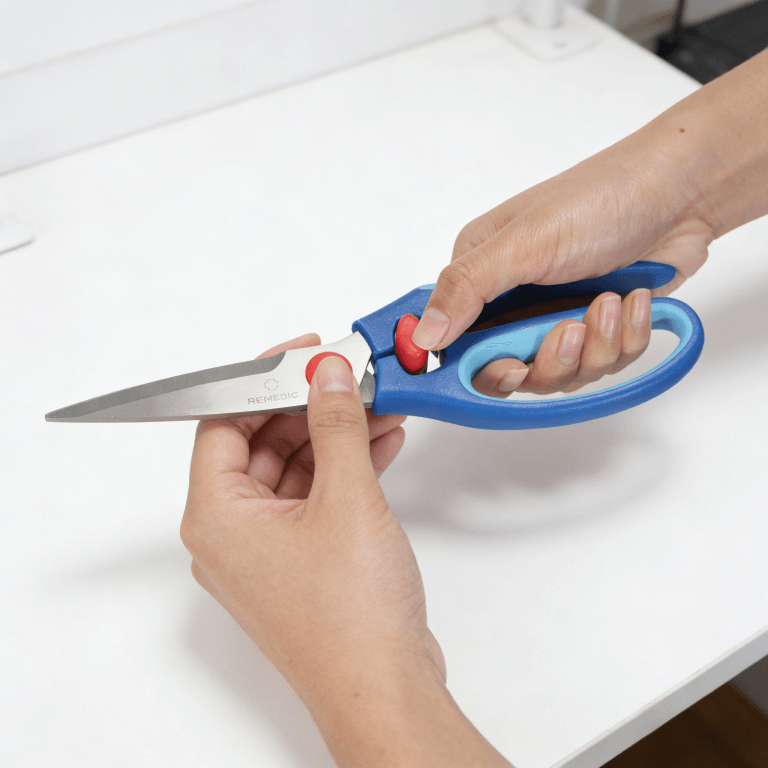
Adaptive scissors are specially designed cutting tools that require less effort than traditional scissors. Unlike ordinary scissors that rely entirely on repeated squeezing, adaptive scissors are engineered to improve comfort, reduce fatigue, and make cutting easier for a wide range of users.
Depending on the design, adaptive scissors may include:
- Spring-loaded self-opening blades
- Ergonomic comfort-grip handles
- Large finger loops
- One-hand operation
- Table-mounted cutting systems
- Hands-free cutting designs
- Non-slip bases for added stability
These features help reduce hand fatigue while making everyday cutting safer, easier, and more comfortable.
Who Can Benefit from Adaptive Scissors?
Adaptive scissors are helpful for many different people—not just those with disabilities. They are designed for anyone who wants easier, more comfortable cutting with less effort.
They are especially popular with:
- People with arthritis
- Seniors and older adults
- Individuals with weak hands or reduced grip strength
- People with limited finger mobility
- Stroke survivors
- One-handed users
- Individuals with neurological conditions
- Occupational therapy clients
- Caregivers
- Special needs students
- Crafters and hobby enthusiasts
- Anyone who experiences hand fatigue during repetitive cutting
Many people choose adaptive scissors simply because they are more comfortable to use than traditional household scissors.
Which Type of Adaptive Scissors Is Right for You?
Choosing the right scissors depends on your individual needs.
Remedic Spring-Loaded Household Scissors
These scissors are ideal if you:
- Want to reduce hand strain
- Have mild to moderate arthritis
- Experience weak hands or reduced grip strength
- Want comfortable scissors for everyday household use
- Enjoy crafting, sewing, or paper projects
- Need to cut packaging, cardboard, fabric, or blister packs
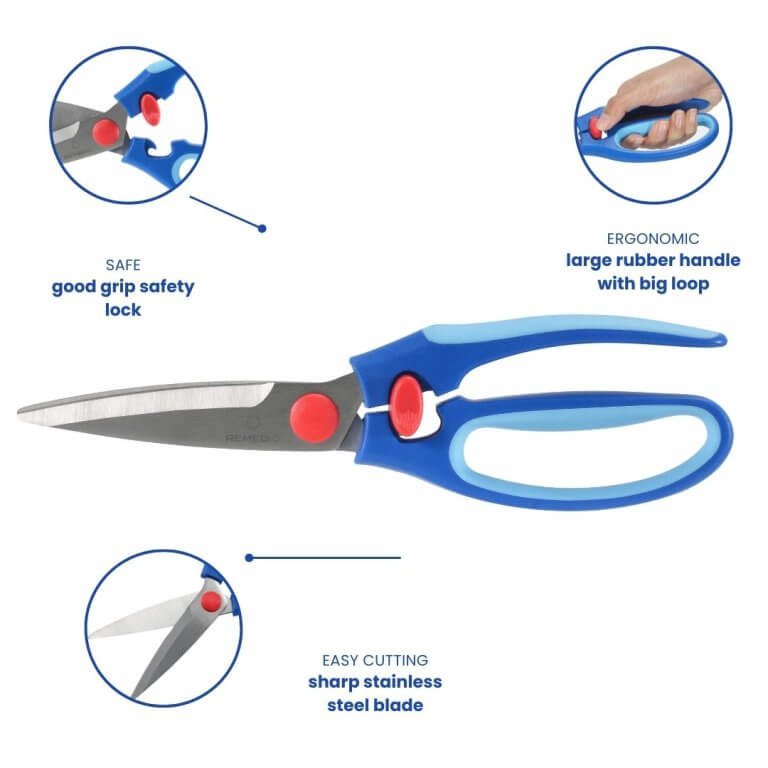
The built-in spring automatically reopens the blades after each cut, reducing the amount of squeezing required and making repetitive cutting much easier.
Remedic Adaptive One-Hand Scissors with Table Stand
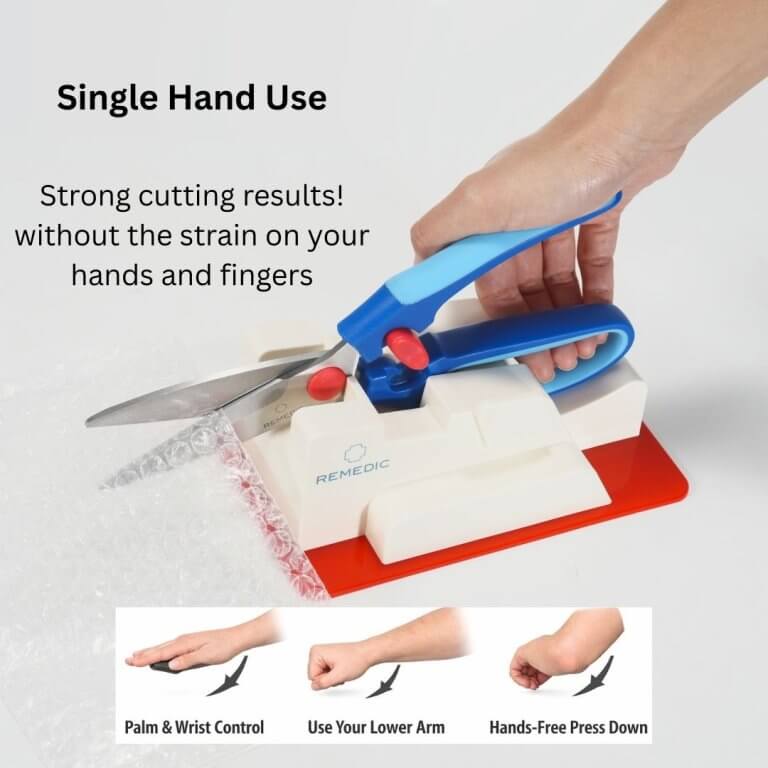
The tabletop version is designed for users who require greater support and stability.
It is ideal if you:
- Need true one-hand operation
- Have severe arthritis
- Have limited finger movement
- Cannot comfortably grip ordinary scissors
- Prefer using your palm, wrist, forearm, or elbow instead of your fingers
- Benefit from hands-free cutting while materials remain supported
The scissors sit securely in a stable tabletop stand and can also be removed for use as standard spring-loaded scissors, offering two cutting options in one product.
Ordinary Scissors vs Adaptive Scissors
Traditional scissors can become difficult to use when hand strength or dexterity is reduced. Adaptive scissors are designed to reduce effort while improving comfort and control.
| Ordinary Scissors | Adaptive Scissors |
|---|---|
| Require repeated squeezing | Spring-loaded blades automatically reopen |
| Small finger loops | Large ergonomic comfort-grip handles |
| Greater hand fatigue | Reduced hand strain |
| Limited one-hand use | One-hand and hands-free options available |
| Less comfortable for arthritis | Designed for easier cutting with reduced effort |
Everyday Tasks Adaptive Scissors Can Help With
Adaptive scissors are designed for much more than crafting. Many people use them every day around the home.
Common household tasks include:
- Opening Amazon packages
- Cutting cardboard boxes
- Opening food packaging
- Cutting plastic packaging
- Opening medication blister packs
- Cutting paper and envelopes
- Opening mail
- Cutting coupons
- Wrapping gifts
- Cutting ribbon
- Sewing projects
- Fabric cutting
- Scrapbooking
- Card making
- School projects
- Hobby crafts
- Gardening twine
- General household preparation

Why Do People Choose Adaptive Scissors?
People rarely buy adaptive scissors because they cannot use ordinary scissors at all. Most choose them because they make everyday tasks easier and more comfortable.
Customers often tell us they were looking for:
- Less hand strain
- Reduced finger fatigue
- Better grip and control
- Easier cutting with less effort
- Greater independence
- More comfortable household scissors
- Ergonomic scissors for arthritis
- Spring-loaded scissors that automatically reopen
- One-hand cutting solutions
- Safer ways to open medication blister packs
Whether you’re managing arthritis, recovering from an injury, or simply looking for a more comfortable pair of household scissors, adaptive scissors can make everyday cutting significantly easier.
Find the Right Remedic Adaptive Scissors for Your Needs
Remedic offers two thoughtfully designed solutions to help make everyday cutting easier.
Choose the Remedic Spring-Loaded Household Scissors if you want comfortable everyday scissors with self-opening blades, ergonomic soft-grip handles, and reduced hand strain for household tasks, crafting, packaging, and medication blister packs.
Choose the Remedic Adaptive One-Hand Scissors with Table Stand if you need one-hand operation, hands-free tabletop cutting, or greater stability because of severe arthritis, limited finger function, or reduced grip strength.
Buy them now on Amazon.com:
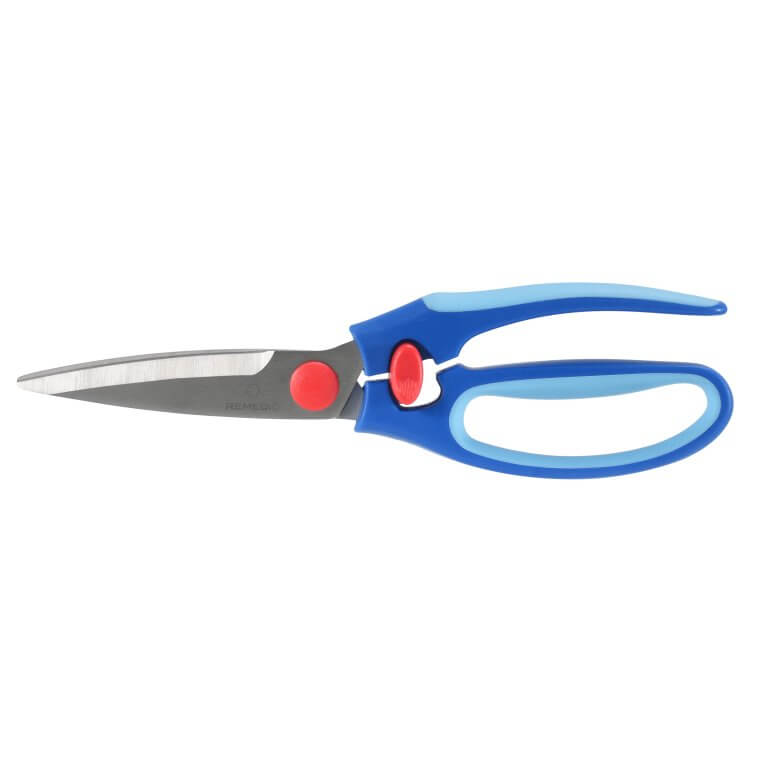
Remedic Spring-Loaded Self-Opening Arthritis Scissors for Weak Hands
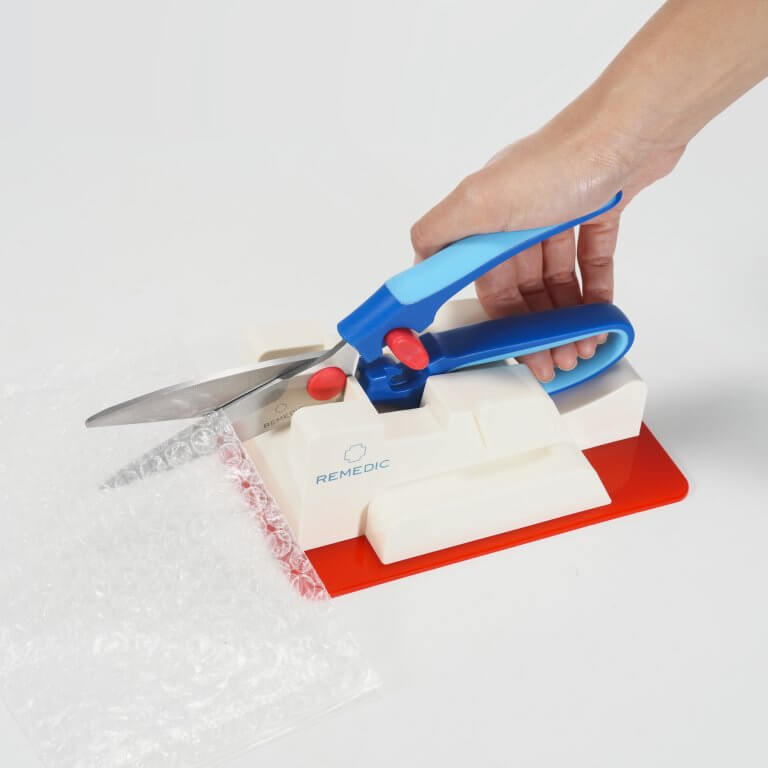
Adaptive one-hand scissors with table stand for hands-free cutting
Both products are designed to help people maintain independence, reduce effort, and enjoy everyday activities with greater comfort and confidence. By choosing the right adaptive scissors for your needs, everyday cutting becomes easier, safer, and far more enjoyable.
Check out more offers from Remedic on Amazon